
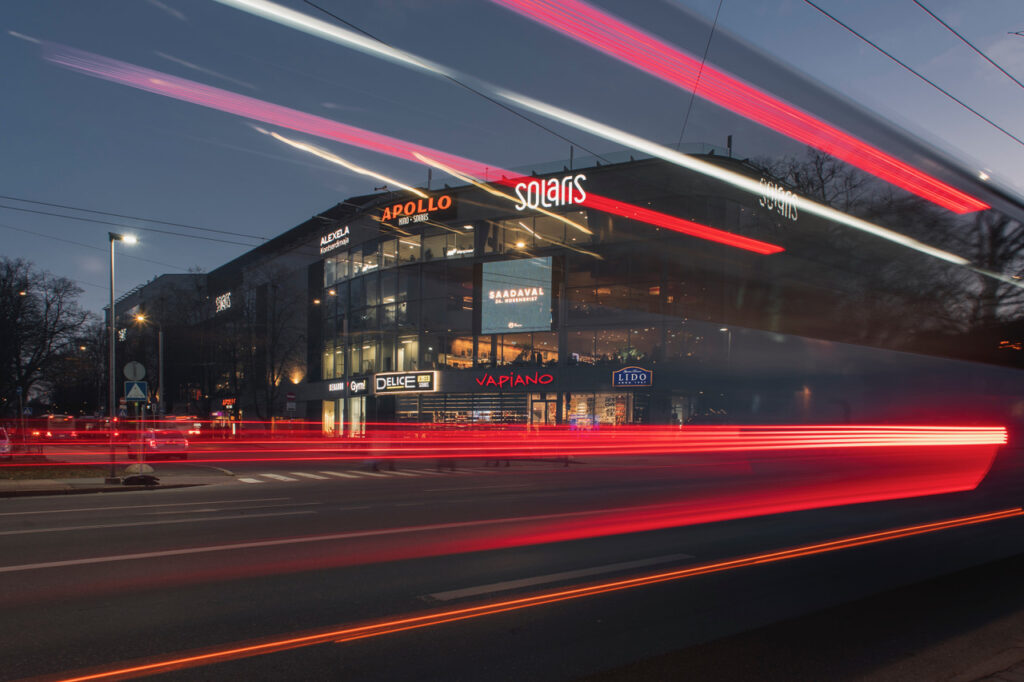
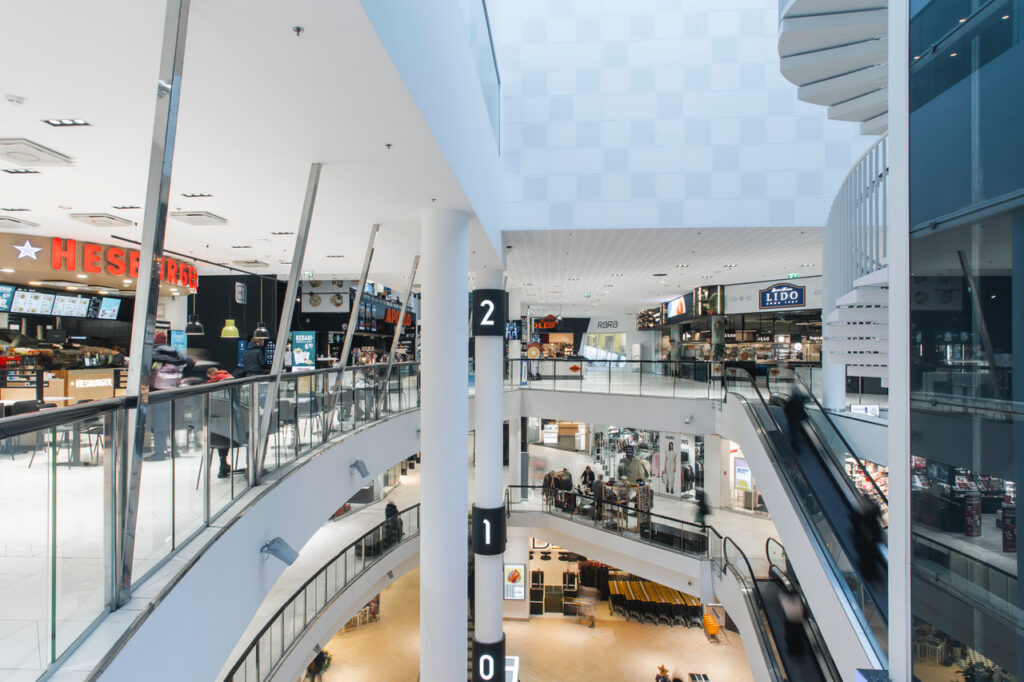
How to keep a centre that is visited by nearly 15,000 people every day clean and functional? For Solaris Centre, this is not just a cleaning issue, but part of the entire visitor experience. Solaris is a place where people come to shop, go to the cinema and dine, but also to simply walk through or stay warm in winter. In an environment with such a high load, everything must function seamlessly and consistently.
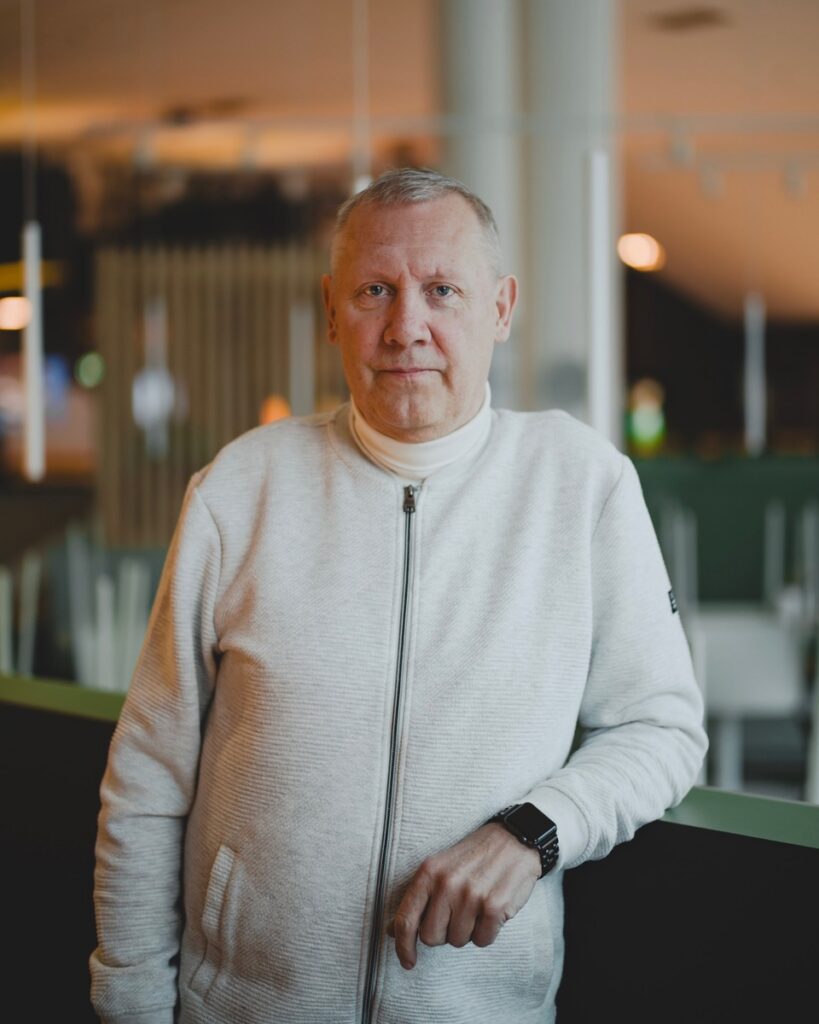
SOL Baltics has been Solaris Centre’s property maintenance partner since 2012. We visited the centre and spoke to the Property Manager, Rain Luks, to get a clear picture of how the long-term cooperation works on a daily basis.
A big house means a lot of responsibility
Solaris is not an ordinary building, and the expectations for property maintenance are also different here. A large flow of people means a constant load on the surfaces and the need to react quickly and flexibly.
“We have about 15,000 people visiting us every day. Not everyone is a buyer – in winter, people often come in through one door, walk about 100 meters in the warmth and go out through another,” Rain describes.
SOL provides Solaris with both indoor cleaning and outdoor maintenance, as well as special and emergency work on a daily basis. The goal is simple but demanding: the building must be clean, the tenants satisfied and the visitor experience consistently good – every day, regardless of the season or the number of visitors.
Cooperation that does not require constant intervention
When asked whether anything has improved dramatically over the long period of cooperation, the answer is rather calm and realistic.
“If it had been very bad, I would have looked at the competitors a long time ago,” says Rain.
The value of long-term cooperation does not lie in constant change, but in stability and trust. It is unrealistic to expect that something will improve dramatically all the time. What is important is that things work, there is peace and security – that is how a long relationship is created.
Over the years, we have learned to know each other better and the work organization has been increasingly refined. This means that only the work that is actually needed is done.
Efficiency is born from daily decisions
In collaboration, cleaning frequencies, times and volumes have been repeatedly reviewed. Not to compromise on quality, but to use resources sensibly.
“Initially, the carpets were on the floor all year round. Today, we take them down for the summer and put them back up for the winter. It just makes more sense,” Rain gives an example.
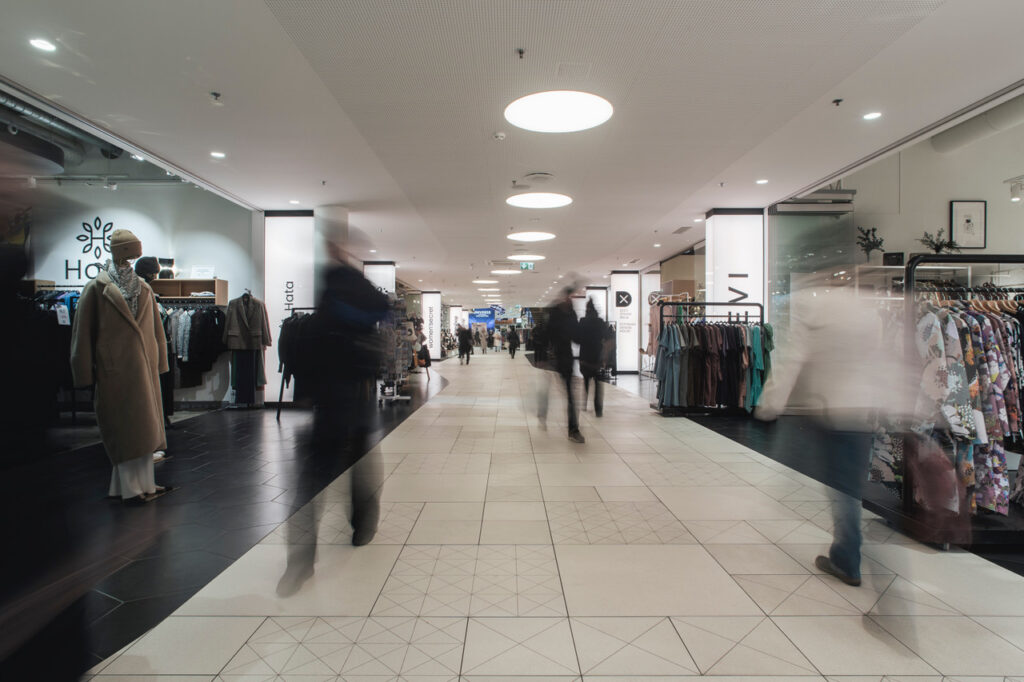
Similarly, the times of on-call cleaning and the logic of cleaning staircases have been reviewed. Areas where people rarely move do not require daily maintenance, and the freed up time can be directed to where the load is greater. Such changes are born as a result of joint tours and discussions.
Communication that keeps things in order
In the collaboration between Solaris and SOL, daily communication at the site level plays an important role.
“I have had very good cooperation with both the previous and current supervisors. If it didn’t work, I would definitely complain,” says Rain.
If needs change or new situations arise, they are reviewed together and a practical solution is found. This creates the feeling that the partner is not only fulfilling the contract, but is actively thinking along.
Quick response in unexpected situations
In a large building, unexpected things inevitably happen – from small pipe leaks to serious accidents.
“If something is dripping or there is a blockage, I call the supervisor and help comes quickly,” describes Rain.
One of the most memorable incidents was a blocked sewer pipe, which caused a situation where wastewater flowed through several floors into the shops. The shops had to be temporarily closed and the situation was resolved with shovels and containers. SOL’s special works team was called in to help.
“It was a big mess, but it was fixed,” says Rain laconically.
Innovation – honestly and realistically
Solaris is interested in new technologies – be it cleaning robots, smart sensors or solutions that signal the need for cleaning in real time.
SOL has also tested robotic solutions in Solaris, but the complex environment imposes its own limitations. At the same time, there is a shared understanding that technology is developing rapidly and that these solutions will become increasingly accessible in the future.
Added value also for Solaris tenants
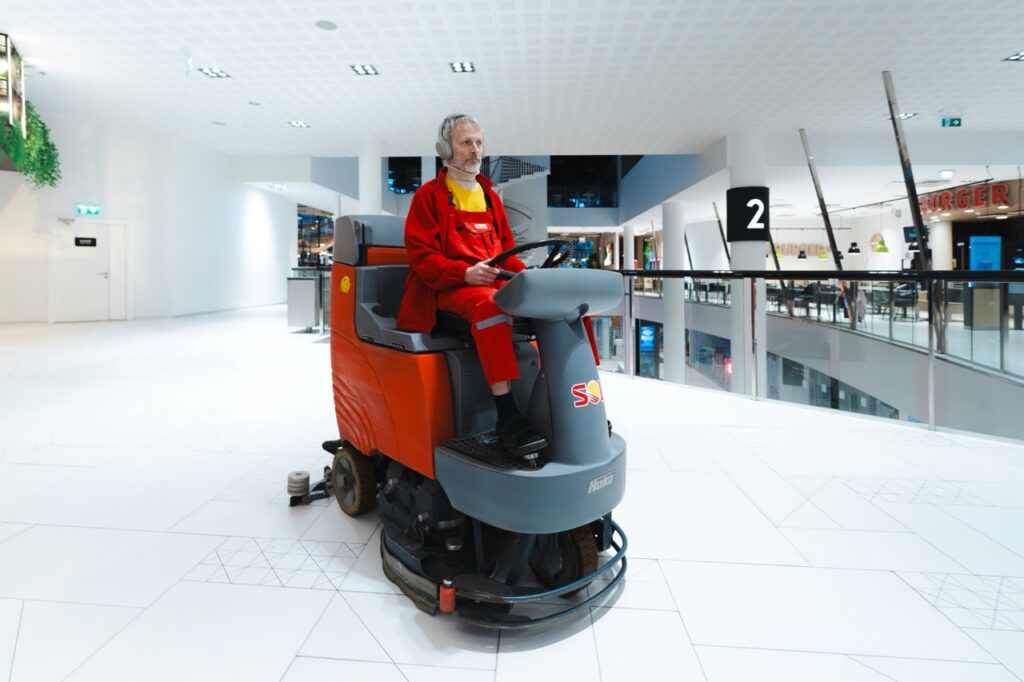
Collaboration with SOL not only benefits the center, but also its tenants. Many smaller stores do not have their own washing machines or storage facilities, and the outsourced service makes their everyday life easier.
“Small stores often do not have a washing machine or storage space. With SOL, it is easier for them and often cheaper,” says Rain.
This helps maintain consistent quality throughout the center and reduces the administrative burden on tenants.
Sustainability as a natural part of everyday life
Environmental topics are becoming increasingly important for Solaris, and tenants are asking about them more and more.
“People ask whether we use green energy and what substances are used in cleaning. These topics matter,” Rain confirms.
In cleaning, sustainability primarily means well-considered decisions – the right cleaning frequencies, avoiding unnecessary work and using resources wisely.
A recommendation based on experience
Would Rain recommend SOL to other property owners or companies?
“I have done it. When a new tenant comes and asks, I always recommend contacting SOL.”
This recommendation is based on real life and more than ten years of cooperation.
Easy Life – when the service works in the background
The cooperation with Solaris Centre reflects SOL Baltics’ vision of Easy Life – a situation where the service works smoothly and unobtrusively, allowing the client to focus on their core business. The partnership between SOL and Solaris is reliable and balanced: the building is in order, tenants and visitors are satisfied, and everyday life is easy.